ERP Digitalization: Transitioning from Legacy Systems to Smart Enterprise
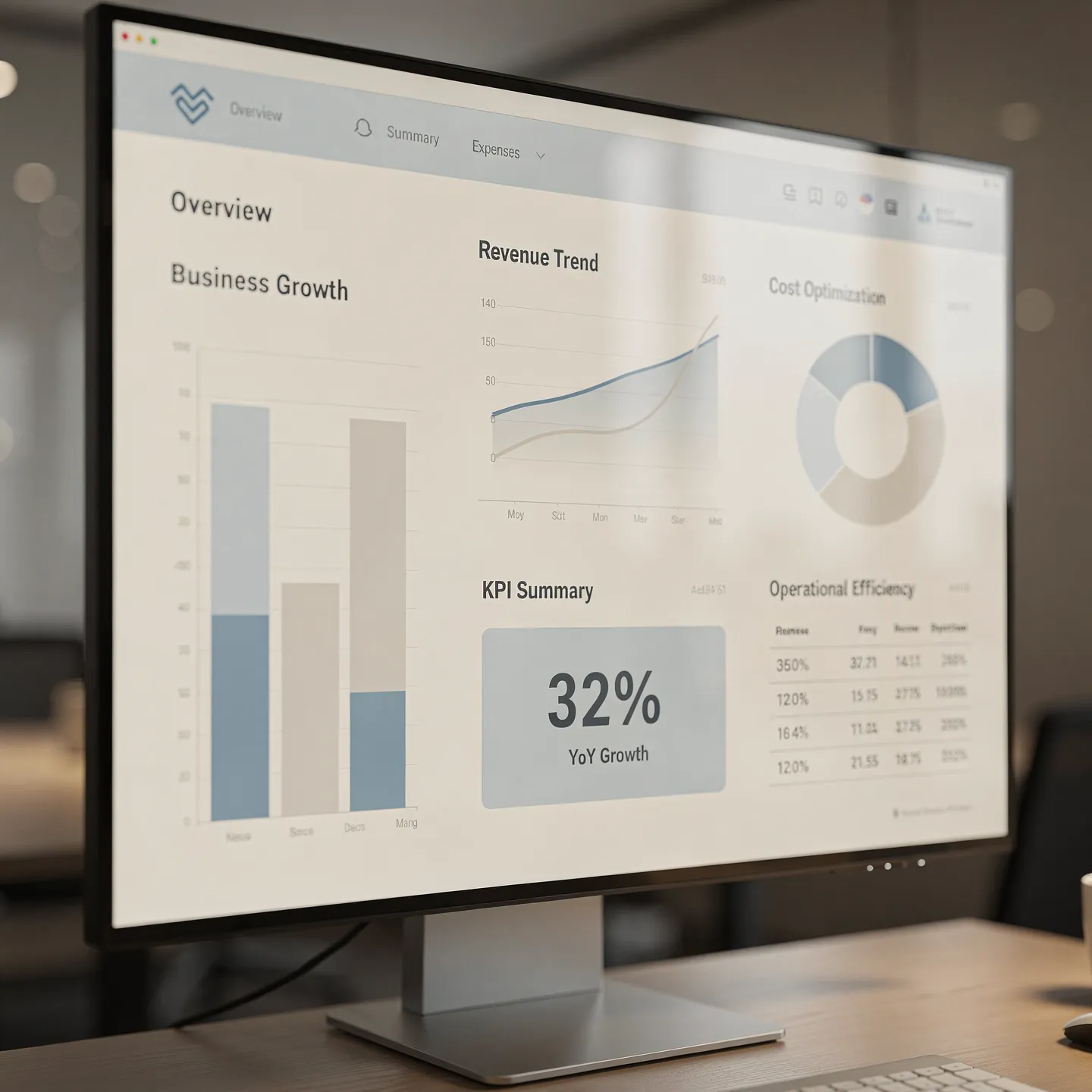
ERP (Enterprise Resource Planning) digitalization is the process of modernizing an organization’s existing resource planning systems to meet the demands of the digital era. This goes beyond a simple software upgrade — it involves restructuring business processes and adopting a data-driven decision-making culture.
Why ERP Digitalization Is Inevitable
The Limits of Legacy Systems
ERP solutions designed a decade ago cannot address today’s requirements. Desktop-based, monolithic architectures lack mobile access, real-time data, and modern integration standards.
The Data Silo Problem
Disconnected accounting, production, sales, and warehouse systems inevitably produce data inconsistencies. Manual data transfers waste time and increase error risk.
Competitive Pressure
Digitalized competitors shorten order-to-delivery times, optimize costs, and improve customer experience. Falling behind means losing market share.
Key Steps in ERP Digitalization
1. Current State Assessment
The journey begins with an honest evaluation of existing processes. Which processes are paper-based? Which data is entered manually? Which reports are delayed?
2. Process Redesign
Digitizing inefficient processes as-is only accelerates waste. Optimize first, then digitize.
3. Platform Selection
Key criteria for a modern ERP selection include web-based architecture for universal access, modular structure for phased deployment, integration capacity with MES, PLM, CRM, BI, and IoT systems, localization for regulatory compliance, and scalability to grow with the business.
4. Data Migration
Cleaning, validating, and migrating data from the legacy system is the most critical phase. Faulty data migration destroys confidence in the new system.
5. User Training and Change Management
No matter how good the technology, it fails if people do not adopt it. A change management strategy is as critical as the technical dimension of an ERP project.
Common Mistakes
Big Bang Approach: Deploying all modules simultaneously carries significant risk. Phased rollout keeps risk manageable and provides feedback at each stage.
Over-Customization: Adapting the software to match every existing process instead of aligning processes with best practices multiplies maintenance and upgrade costs.
Neglecting Integration: ERP alone cannot reach its full potential. Without integration to MES, PLM, CRM, and BI, data silos persist.
Scienta ERP: Built for Turkish Manufacturing
BilTAY’s Scienta ERP platform was developed from the ground up with the needs of Turkish manufacturing in mind. Its web-based modern architecture, modular structure, and native integration with the NexUS ecosystem accelerate the digitalization process.
Finance, production planning, procurement, warehouse management, sales, human resources, and quality management modules operate as an integrated whole on a single platform. Full compliance with Turkish regulations (e-Invoice, e-Dispatch Note, e-Ledger, Social Security integration) eliminates additional integration costs.
Think Next. Think US.